
Remote Care Management: Transforming Chronic Care at Scale
Managing chronic diseases across large patient populations takes careful coordination. Providers consistently look for ways to improve patient health without adding to clinician fatigue. Remote Care Management offers a proven, supportive bridge between in-person clinic visits and daily home care.
When you implement these programs effectively, they give care teams continuous insights into patient well-being. They empower clinical staff to act on real-time information, helping patients stay on track and preventing emergencies before they happen. Success depends heavily on choosing the right partnerships and establishing clear, supportive workflows.
Here are the key takeaways from recent industry successes in scaling care:
- External partnerships reduce the data burden on primary care teams.
- Active, ongoing support significantly improves blood pressure and chronic condition control.
- Connected care initiatives deliver measurable reductions in the total cost of care.
The Challenge of Scaling Connected Care
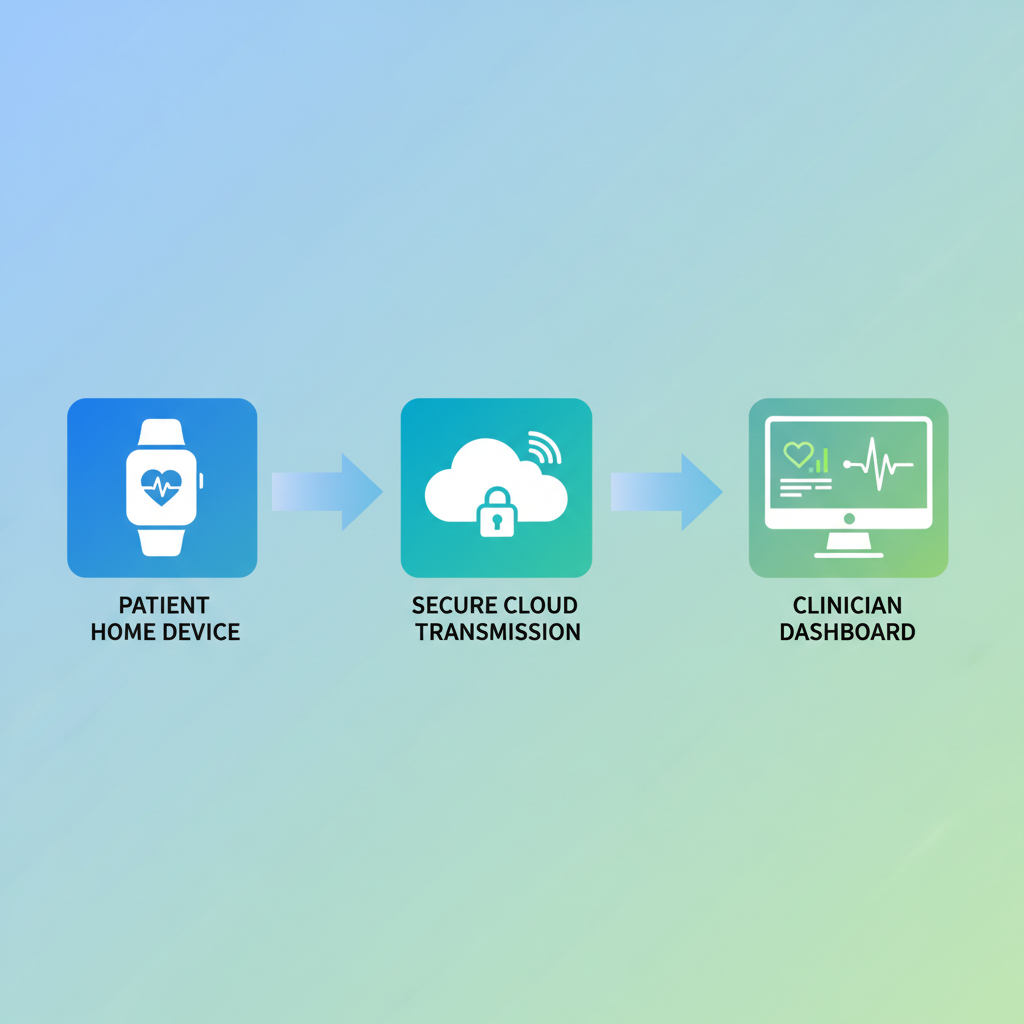
Many early attempts at scaling remote care fell short because they created more data than clinical teams could realistically manage. When a patient checks their vitals at home, health systems need a secure, reliable way to process that information without overwhelming their staff.
To run a program successfully, you must have the personnel and the technology to interpret incoming data together. You need a system that identifies urgent alerts while filtering out standard, expected fluctuations.
By leveraging comprehensive Remote Care Partners solutions, health systems can overcome these barriers. Advanced platforms filter through alerts to identify which require immediate attention. This means your primary care providers do not have to review endless streams of raw data. Instead, an extended care team manages medication adjustments, routine interventions, and daily patient discussions to keep everyone on the right path.
How Remote Care Management Improves Chronic Disease Management
When health systems monitor patients seamlessly, clinical outcomes improve dramatically. Recent massive-scale studies involving thousands of patients demonstrate the undeniable power of Remote Care Management.
Programs focusing on hypertension, diabetes, and heart failure yield exceptional results. Consistent engagement makes it much easier to get patients on the right medical therapy. Providers can adjust medications to an effective dose rapidly through remote touchpoints, rather than waiting for bi-weekly office visits. Furthermore, integrating tools like HealthyConnect.AI helps systems harness Healthcare Technology to better predict which patients need extra support.
Success in Action: Corewell Health
Real-world applications show just how impactful these programs can be. For example, recent initiatives at Corewell Health demonstrated significant improvements in patient wellness. By implementing structured, connected care models, their teams saw a 43% relative increase in blood pressure control among patients who were previously struggling to manage their condition.
Furthermore, patients enrolled in these active care programs experienced fewer hospital admissions. Recent studies highlight that regular home-based check-ins keep vulnerable populations healthier and reduce the overall strain on emergency departments.
Financial Sustainability and Proactive Health Support
Historically, securing funding for home-based care initiatives posed a hurdle. Today, dedicated billing codes make this work financially sustainable.
Beyond fee-for-service revenue, Remote Care Management deeply supports value-based care arrangements. Total-cost-of-care analyses consistently show favorable returns. By reducing unnecessary hospitalizations and emergency visits, systems save valuable resources.
Key Benefits for Health Systems:
- Reduced Readmissions: Keeps vulnerable patients comfortable and safe at home.
- Increased Revenue: Leverages existing billing codes for remote care.
- Better Patient Engagement: Empowers patients to take an active role in their daily health journey.
Expanding the Reach of Healthcare Technology
The initial focus for many health systems is primary care, but the potential goes far beyond that. Cardiology clinics, particularly those managing complex heart failure, benefit immensely from closely following patient vitals. Nephrology departments managing complex hypertension also see strong clinical returns from connected, easy-to-use devices.
Another vital growth area is post-discharge care. When a patient leaves the hospital after a cardiac event, enrolling them in a management program from day one provides immediate support and prevents them from returning to the emergency room.
As health systems expand these programs, seamless data sharing remains crucial. Emergency room staff must be able to see a patient's vital sign trends instantly within the electronic health record. A unified approach ensures that no matter where the patient seeks care, their support network follows them seamlessly.
Partner With Us to Transform Patient Care
Scaling a remote care program requires clear technology, efficient workflows, and the right partner by your side. We can help you avoid data overload and support your clinical teams effectively.
Empower your providers and improve your patient outcomes with Remote Care Partners. Schedule a demo of the RCP solution today to see how we can build a sustainable, successful program together.
Frequently Asked Questions (FAQ)
What is Remote Care Management?
Remote Care Management is a supportive healthcare delivery method that uses digital tools to collect health data from individuals at home. This information is securely shared with healthcare providers to offer ongoing assessment, guidance, and recommendations.
How does this improve Chronic Disease Management?
By providing continuous data, care teams can spot warning signs early. This allows for timely medication adjustments and support, leading to better control of conditions like hypertension and diabetes, which ultimately prevents emergency room visits.
Are these programs financially sustainable for health systems?
Yes. Dedicated billing codes allow providers to generate reliable revenue. Additionally, by reducing overall hospital admissions, these programs lower the total cost of care and support value-based care goals.
Will adopting new Healthcare Technology increase the burden on our doctors?
Not when you partner with the right service. A comprehensive solution filters raw data and escalates only actionable alerts. Extended care teams handle routine check-ins, allowing primary care physicians to focus on higher-level patient needs.
What patient populations benefit most from this support?
Patients navigating chronic conditions such as high blood pressure, diabetes, and heart failure see the most significant benefits. It is also highly effective for post-discharge patients who need close observation and encouragement to prevent hospital readmissions.